1194 visits【description】 Flanges, Along With Flange Gaskets And Fasteners, Are Called Flange Joints. Flange Joints Are Widely Used Parts In Engineering, And Many Large Construction And Mechanical Devices Can Use Flange Parts. Moreover, Flange Components Play A Very Important Connecting Role In These Devices, Not Only Strengthening The Connection Of The Device, But Also Playing A Role In Leak Prevention. Flange Components Are An Indispensable Part Of Piping Design, Piping Accessories, And Valves. It Is Also Industrial, T
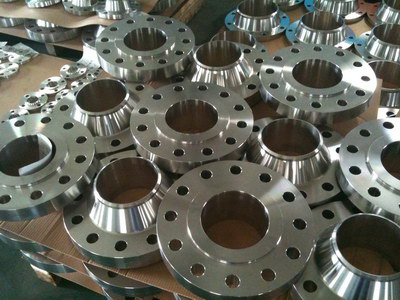
Flanges, Along With Flange Gaskets And Fasteners, Are Called Flange Joints. Flange Joints Are Widely Used Parts In Engineering, And Many Large Construction And Mechanical Devices Can Use Flange Parts. Moreover, Flange Components Play A Very Important Connecting Role In These Devices, Not Only Strengthening The Connection Of The Device, But Also Playing A Role In Leak Prevention. Flange Components Are An Indispensable Part Of Piping Design, Piping Accessories, And Valves. It Is Also A Universal Component For Industrial, Thermal, Plumbing, Heating And Ventilation, Automatic Control, And Other Projects.
Forged Flange Sealing Surfaces Can Be Mainly Divided Into Three Types: Flat Sealing Surfaces Are Suitable For Situations With Low Pressure And Non-toxic Media, Concave Convex Sealing Surfaces Are Suitable For Situations With Slightly Higher Pressure, Mortise And Tenon Sealing Surfaces Are Easy To Burn And Explode, Suitable For Situations With Toxic Media And High Pressure, And Gasket Rings Are Plastic Deformed Circular Rings Made Of Materials With Certain Strength. Although This Type Of Sealing Surface Poses A Risk Of Disassembly, It Is Also Suitable For Connecting Pipelines With Lower Pressure.
Heat Treatment Process For Flanges:
When Metal Is Heated, Insulated, And Cooled, Its Properties Will Undergo Certain Changes, And After Heating, The Performance Of The Same Flange Pipe Will Also Differ To Some Extent. For Example, Stainless Steel Flanges Have Excellent Performance, So They Can Be Subjected To Hot And Cold Processing. The Heating Process Of Stainless Steel Flange Pipes Is One Of The Important Parameters In The Heat Treatment Process.
In The Heat Treatment Of Flange Pipes, The Annealing Cooling Rate Is Usually The Slowest, The Normalizing Cooling Rate Is Faster, And The Quenching Cooling Rate Is Faster. However, Different Steel Grades Have Different Requirements, So When Processing Flanges, It Is Necessary To Handle Them According To Different Materials.
In The Processing Of Flanges, Temperature Is One Of The Production Factors That Needs To Be Strictly Controlled. When Heating Flange Pipes, It Is Necessary To Strictly Control The Production Temperature To Ensure The Quality Of The Flange. Of Course, The Heating Process Needs To Be Determined Based On The Condition Of The Flange, So Sufficient And Meticulous Control Must Be Carried Out. There Are Various Heating Methods For Metal Heat Treatment Of Flange Pipelines. Firstly, Charcoal And Coal Are Used As Heat Sources, Followed By Liquid And Gas Fuels. Nowadays, Many Manufacturers Use Easily Controllable And Pollution-free Electrical Applications. These Heat Sources Can Be Directly Heated, While Molten Salt, Metal, And Suspended Particles Can Be Indirectly Heated. The Performance Of The Flange Varies Depending On The Cooling Method And Process, And The Cooling Rate Is Mainly Controlled. If The Cooling Rate Is Too Fast, It Will Have A Certain Impact On The Flange Structure, Causing The Flange Itself To Become Brittle.
The Above Is Some Knowledge About Flanges, Hoping That These Contents Can Help Everyone Better Understand The Flange Component. Of Course, It Should Be Noted That Although Flanges Can Connect Pipe Ends Well And Prevent Leakage, Different Materials Of Flanges Should Be Selected According To The Different Conveying Media In Practical Use. Common Flanges Include Stainless Steel Flanges, Carbon Steel Flanges, And Alloy Steel Flanges, Among Which Stainless Steel Flanges Have The Best Performance.
Previous:no more
Next :no more